

Roof Replacement Warranties Explained: Workmanship vs. Manufacturer Coverage & What Homeowners Should Ask
When it’s time for a new roof, Central and Southeastern Pennsylvania homeowners should always take into consideration the roof replacement warranty. Typically, you’ll receive two different warranties: a warranty on materials and one on installation. This can be confusing if you don’t understand the differences between the two, leaving many uncertain about what is and isn’t covered down the line.
Our roofing experts from Zimmerman’s Roofing are here to help make sure you understand your warranties. In this guide, we discuss the difference between workmanship and manufacturer warranties, along with typical exclusions, common misconceptions, and critical questions to ask before your project begins.
What Workmanship Warranties Cover vs. Manufacturer Warranties
There are two types of warranties for new roofs, manufacturer warranties and workmanship warranties. A manufacturer roof warranty is provided by your roofing material’s manufacturer and covers defects in roofing products themselves. This includes defective shingles, flaws that lead to damage, and issues with underlayment or other roofing components.
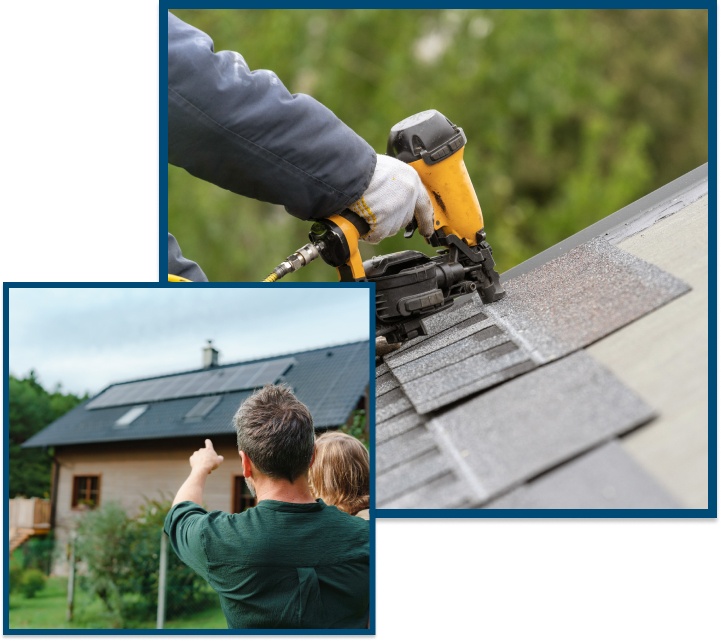
A workmanship warranty is provided by your roofing contractor and covers problems caused by installation errors. This includes issues ranging from improper nail placement to poor sealing and more.
Common Roofing Warranty Exclusions
There are some exclusions that are not typically covered by either a manufacturer or workmanship warranty. This includes:
- Damage from storms or extreme weather
- Normal wear and tear
- Issues caused by poor maintenance
- Problems stemming from poor ventilation
- Results of unauthorized repairs or alterations
- Structural issues like roof deck movement, structural shifting, or foundation settlement
Registration Requirements for Warranties
When you receive a new roof in New Holland, PA, or the surrounding areas, you’ll need to register for your manufacturer warranty. The requirements to do so can vary by company, but most include these common steps:
- Proof of installation: This typically includes your contractor’s information, installation date, project address, and product information.
- Proof of purchase: Documentation for this may include a roofing contract, paid invoice, or material receipts.
- Registration deadline: Many warranties require registration within a specific timeframe, often 30, 60, or 90 days.
- Inspection: Some warranties may require inspections, including documentation photos to ensure the materials have been installed properly.
- Contractor certification: Upgraded warranties may only be available for homeowners who use manufacturer-certified contractors. In these instances, you may need to provide certification information.
Roofing Warranty Claim Misunderstandings
Roofing warranties can be complex, leaving homeowners confused about what is actually covered. Often, homeowners can confuse workmanship warranties with manufacturer warranties and vice versa.
There are many other misconceptions about claims and coverage, including:
- All damage is covered: Not all damage to your roof is covered by a warranty. Issues like storm damage are usually insurance-related, while other issues, such as those resulting from poor maintenance, may not be covered at all.
- All costs are covered: Even when a manufacturer warranty covers replacement of faulty products, it likely does not cover the labor cost of your roofing contractor.
- Warranties last forever: Lifetime warranties refer to the expected lifetime of the product, not the lifetime of the owner. Your warranty may also contain transfer limitations and coverage reduction over time.
- Leaks are a warranty issue: A leak is not necessarily an issue of defective material or improper installation. Leaks can also be caused by storm damage, ventilation issues, maintenance neglect, or structural movement. In these instances, there is typically no warranty coverage.
- Any contractor can perform warranty work: Some warranties require that any repair be handled by a certified contractor or approved installer. This requires homeowners to use a manufacturer-authorized company.
Questions Homeowners Should Ask Before Approving a Roof Replacement
If you are preparing for a roof replacement, there are some key roofing warranty questions that are helpful to ask when choosing a roofing contractor, such as:
- What workmanship warranty do you provide? You’ll want to work with a company that stands behind their work. Since workmanship warranties can range, you’ll want to select a contractor with strong warranties that reflect confidence in installation quality.
- What circumstances could void coverage? Homeowners need to understand what they need to do to preserve coverage. This includes understanding maintenance requirements and any prohibited roofing modifications.
- What roofing components are covered in my warranty? Some warranties only cover shingles, while others cover complete roofing systems, including underlayment, starter strips, ridge caps, and more.
- Is the warranty transferable? A transferable warranty can add value and appeal to potential buyers and is a wise investment for those looking to relocate soon.
Understand Your Warranties When Working With Zimmerman’s Roofing
When you’re ready for a Central Pennsylvania roof replacement, trust the team at Zimmerman’s Roofing to provide you with quality service and a leak-free guarantee. Our team has the skills and experience to work with a wide range of roofing material types, and we hold ourselves to the highest standards. Plus, we offer financing upon approved credit to give you the roof you need without draining your savings.
Request a quote for a roof replacement in Lancaster, Lebanon, Berks, Chester, York, or Dauphin County today by contacting Zimmerman’s Roofing.
Our Promotions

Contact Us Today
- 10-Year "No Leak" Guarantee
- 10-Year "No Blame" Guarantee
- Iron-Clad Lowest Investment Guarantee
- Happy Neighbor Guarantee
- 100% Satisfaction Guarantee