

Can You Install a New Roof Over Existing Shingles in Pennsylvania?
When it’s time for a new roof on your Pennsylvania home, you may wonder if you can save money installing new shingles directly over the existing ones. This process, known as a roof overlay or reroofing, costs less upfront than a totally new roof and is possible in certain situations. However, it’s rarely the best choice for the long-term health and protection of your home.
The alternative is a full tear-off roof replacement, where the old materials are removed before installing the new roof. Understanding the difference between these two methods is crucial for making an informed decision. This guide from our roofing professionals at Zimmerman’s Roofing compares the two options, including building code considerations, costs, and performance. And it explains why a full replacement is almost always the superior choice.
What Is a Roof Overlay?
A roof overlay involves laying a new layer of shingles on top of the existing layer. The primary appeal of this method is its lower upfront cost. Because the roofing team doesn’t have to remove the old shingles and underlayment, labor costs less. And you won’t need to pay for discarding the old roofing materials.
While it seems like a quick and budget-friendly solution, this approach comes with significant drawbacks. A roof overlay is essentially a patch that covers up whatever is underneath. This can lead to more serious and expensive problems down the road.
What Is a Full Roof Replacement (Tear-Off)?
A full roof replacement or tear-off, is the industry standard for installing a new roof. This process involves removing every component of your old roof down to the bare roof deck. Roofers can then inspect the exposed deck signs of damage, such as rot, soft spots, or water stains. They can make any necessary roof repairs to the decking before installing new underlayment and shingles. This approach provides you with a new roof that has a solid, secure foundation.
Pennsylvania Building Codes & Roof Overlays
In Pennsylvania, building codes generally follow the International Residential Code (IRC), which stipulates that a roof can have a maximum of two layers of asphalt shingles. This means if you only have one layer of shingles on your roof currently, an overlay is legally permissible. However, if your roof already has two layers, a complete tear-off is required.
It’s also important to note that some local municipalities in Pennsylvania may have stricter regulations. A professional roofing company will always verify local codes before beginning any project to maintain compliance. Attempting an overlay on a roof with two existing layers is not only a code violation but also adds dangerous weight to your home’s structure.
The Hidden Risks & Drawbacks of a Roof Overlay
The initial cost savings of a roof overlay are often tempting, but they come with several significant risks that can compromise your home’s integrity and lead to higher costs over time.
You Can’t Inspect the Roof Deck
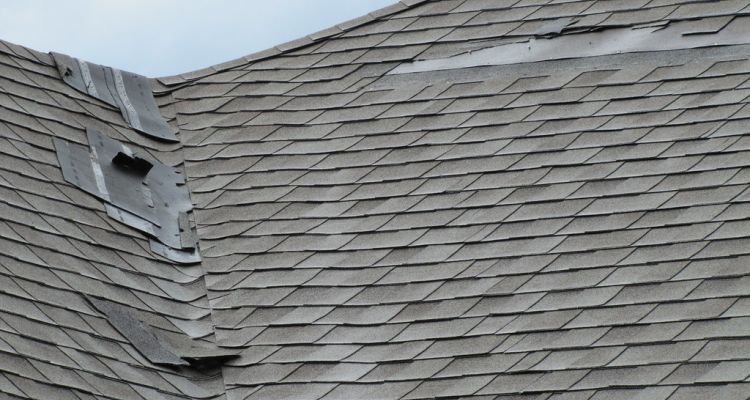
The single biggest issue with an overlay is that it prevents any inspection of the roof deck. Small leaks may have caused rot or water damage that is completely hidden by the old shingles. Simply covering up this damage allows it to worsen, potentially leading to major structural issues and expensive interior repairs.
Shingles Won’t Lie Flat
Old shingles are often curled, cracked, or missing. Installing new shingles over this uneven surface makes it difficult for them to lie flat and seal properly. This can create gaps where wind and water can penetrate, increasing the risk of blow-offs during storms and leading to leaks.
Reduced Lifespan & Voided Warranties
A second layer of shingles traps more heat, which can accelerate the aging process of the new shingles, causing them to degrade faster than they should. Furthermore, most shingle manufacturers will not honor their warranties if the shingles are installed over an existing layer. This leaves you without protection if the materials fail prematurely.
Why a Full Tear-Off Is the Smarter Long-Term Investment
While a full tear-off requires a larger upfront investment, the long-term benefits provide greater value and security for your home.
Complete Peace of Mind
A tear-off allows for a comprehensive inspection of the roof deck. Our team can identify and repair underlying issues before installing your new roof. This makes sure the entire system, from the deck up, is sound and ready to protect your home for decades.
Better Performance & Longevity
When new asphalt shingles are installed on a clean, flat surface, they can perform exactly as designed. They seal correctly, resist wind uplift more effectively, and last longer. This means you get the maximum value out of your new roof.
Protects Your Warranty
Shingle manufacturers provide robust warranties that protect you against material defects. However, these warranties almost always specify proper installation, which includes starting with a clean roof deck.
The Cost Factor: Upfront Savings vs. Long-Term Expense
It’s true that a roof overlay costs less initially. However, it’s a classic case of “pay now or pay much more later.” The roof won’t last as long, so you’ll need another replacement sooner. When that time comes, roofers will have to remove two layers of shingles instead of one, significantly increasing labor and disposal costs.
Choose a Trusted Roofing Company in Pennsylvania
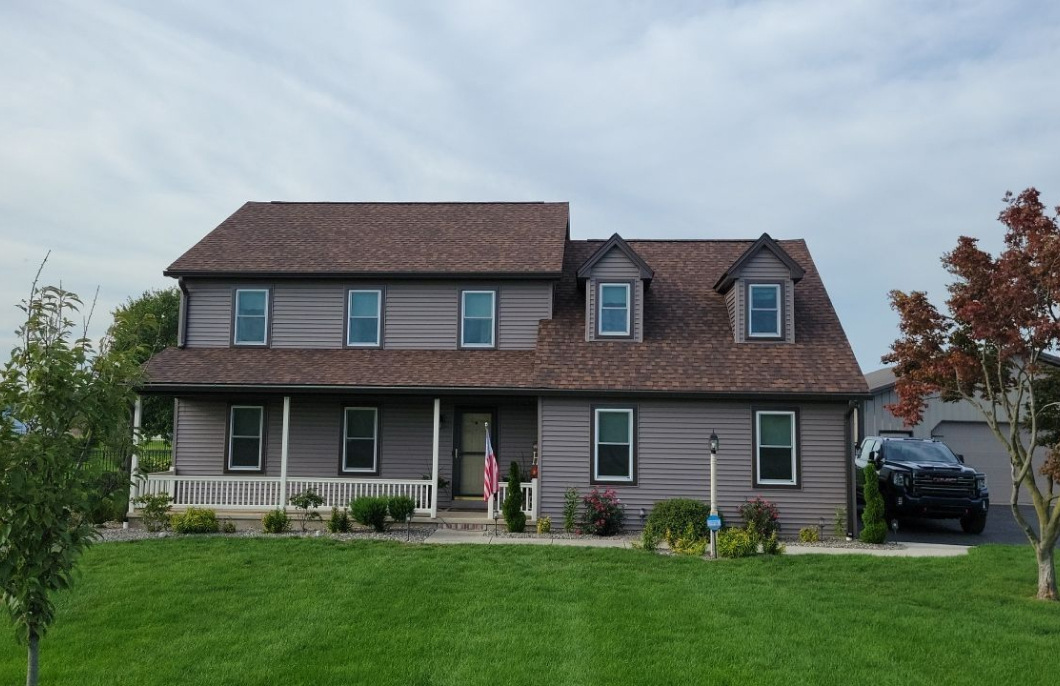
At Zimmerman’s Roofing, we are committed to doing the job right. If you need a quality roof replacement in Central or Southeastern Pennsylvania, our team is ready to help. We have been in business since 1996, so we know what local homes need when it comes to their roofs. We also back our work with a 10-year, no-leak guarantee for your peace of mind.
Contact Zimmerman’s Roofing today to request a quote for a roof replacement in Lancaster, Lebanon, Berks, Chester, York, or Dauphin County.
Our Promotions
Contact Us Today
- 10-Year "No Leak" Guarantee
- 10-Year "No Blame" Guarantee
- Iron-Clad Lowest Investment Guarantee
- Happy Neighbor Guarantee
- 100% Satisfaction Guarantee